Rockets, Blasters, and Back to the Drawing Board
Working in Someone Else’s World

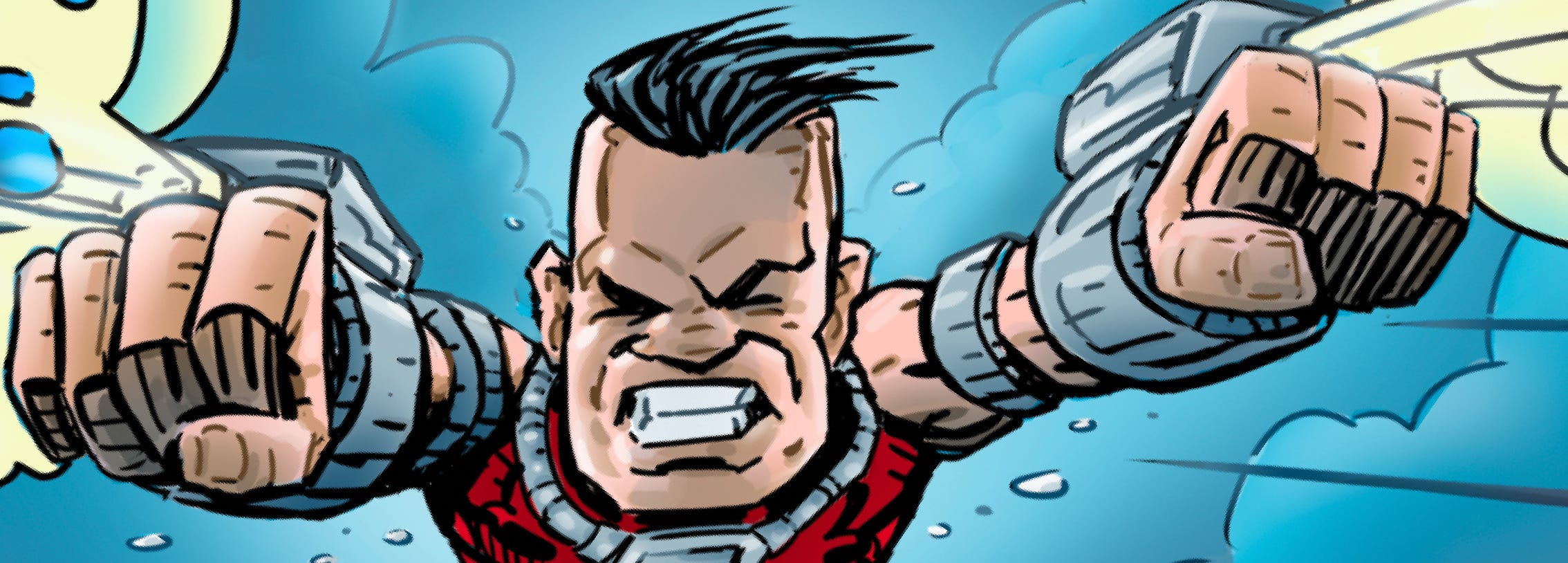
Working on another creator’s character is both a thrill and a test—especially when you get something wrong. And I did.
I recently created artwork for the comic series Rammur, the continuing adventures of a “Master Thief in a Police State,” written and created by Charles Santino. Charles sent over a character sheet for reference, and I set out to bring my own interpretation to his creation.
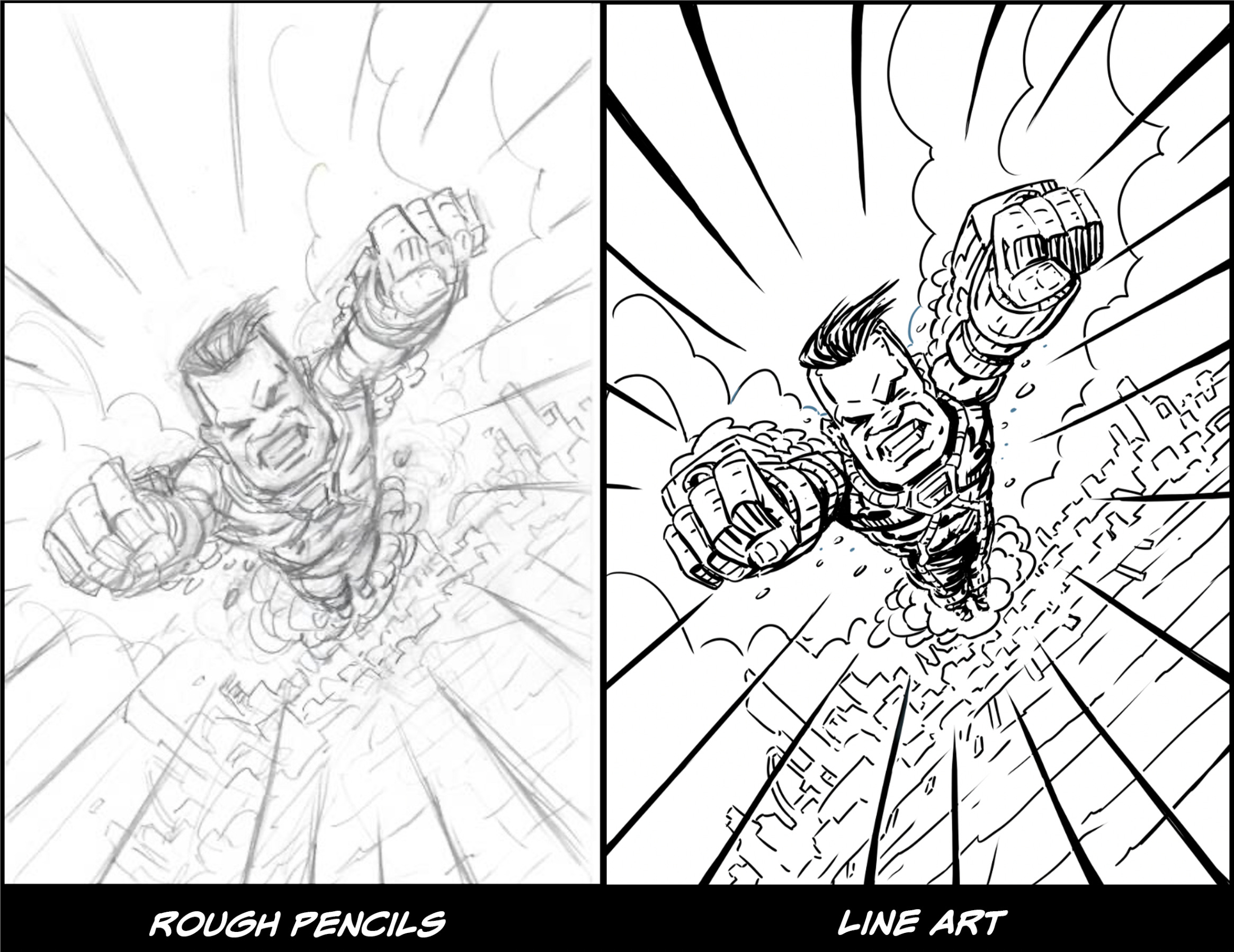
Rammur flies using fusion-powered rockets attached to his suit, so I sketched a series of roughs, pushing the perspective and aiming for a dramatic, straight-at-the-reader flight shot. After scanning the roughs and importing them, I completed the line art and added color.
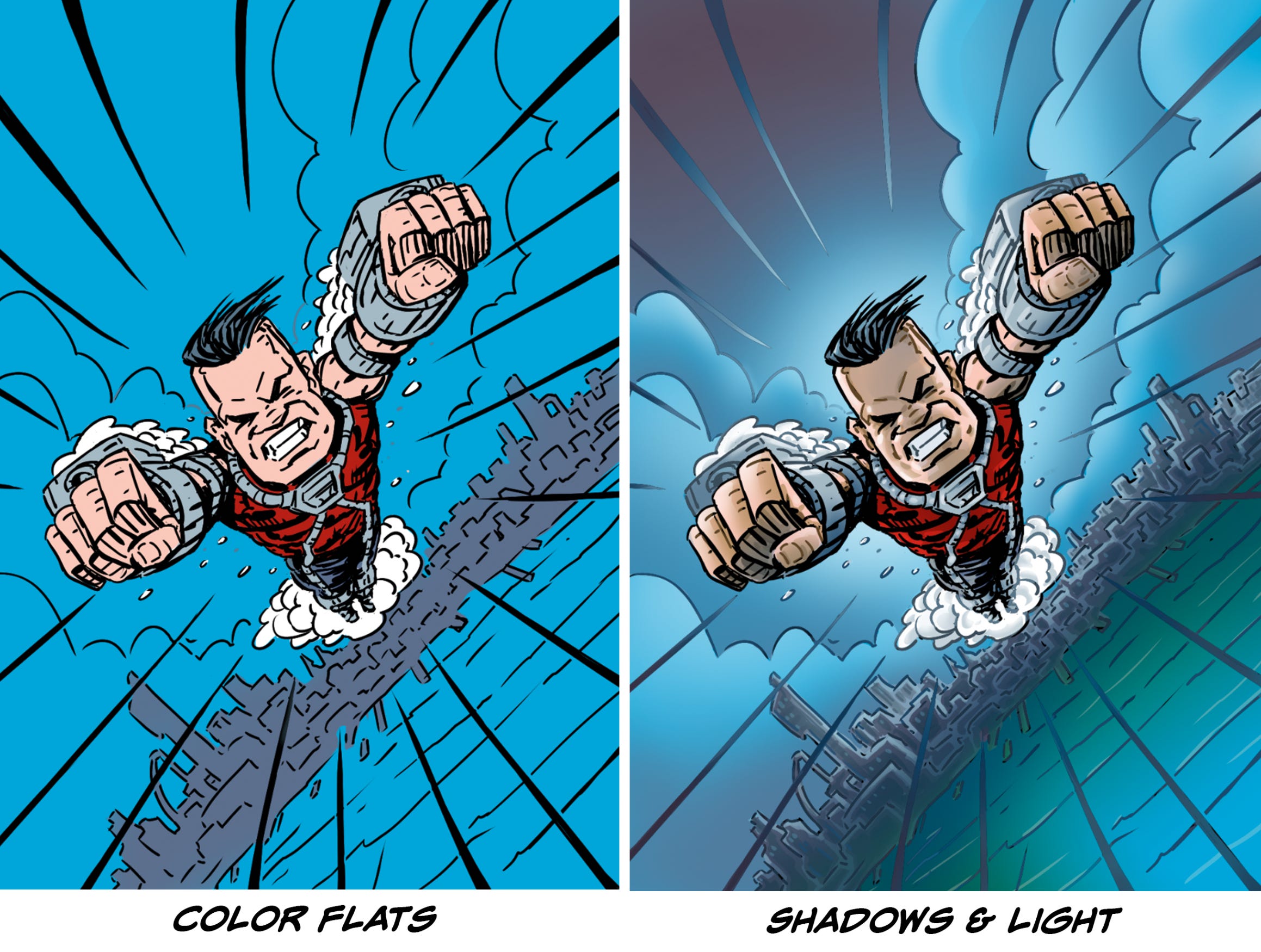
I’ll admit, I was pleased with the result. I emailed a screenshot and waited for his response.In my head, the possibilities played out:
“I love it.”
“I hate it.”
What I got was neither.
“Looks great, but there’s one problem… his wristbands are blasters, not rockets.”
I had gotten it wrong.
Back to the drawing board
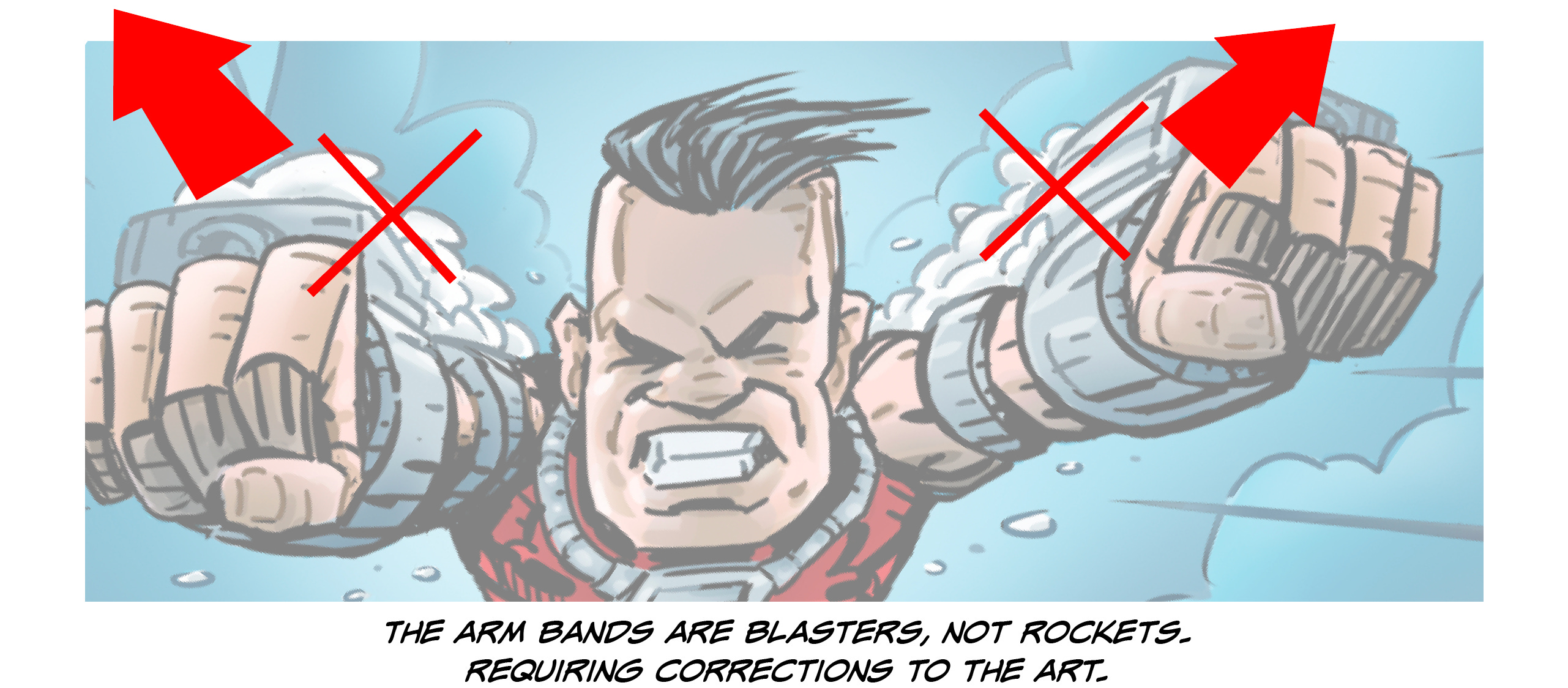
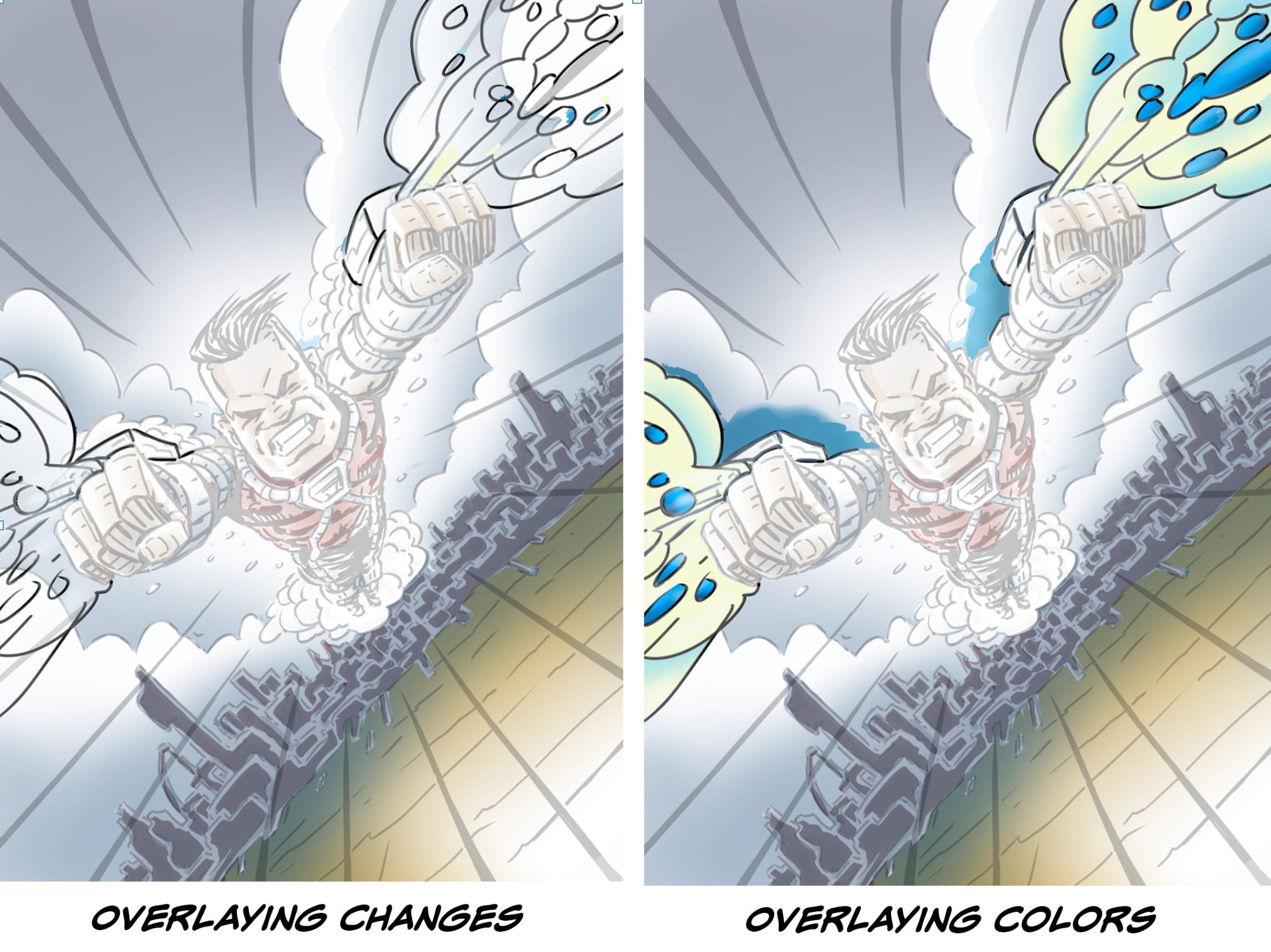
The fix itself wasn’t complicated. I went back into the file, reworked the wrist designs, adjusted the lighting to match the new forms, and corrected the propulsion effects. Technically, it was a straightforward revision.
Mentally, it was a reminder.
When you’re working with someone else’s character, you’re stepping into their world. Every detail matters. A wristband isn’t just a wristband. It carries function, story logic, and visual identity. Even small elements define how a character operates.
The lesson? Slow down. Double-check the reference. And never assume.
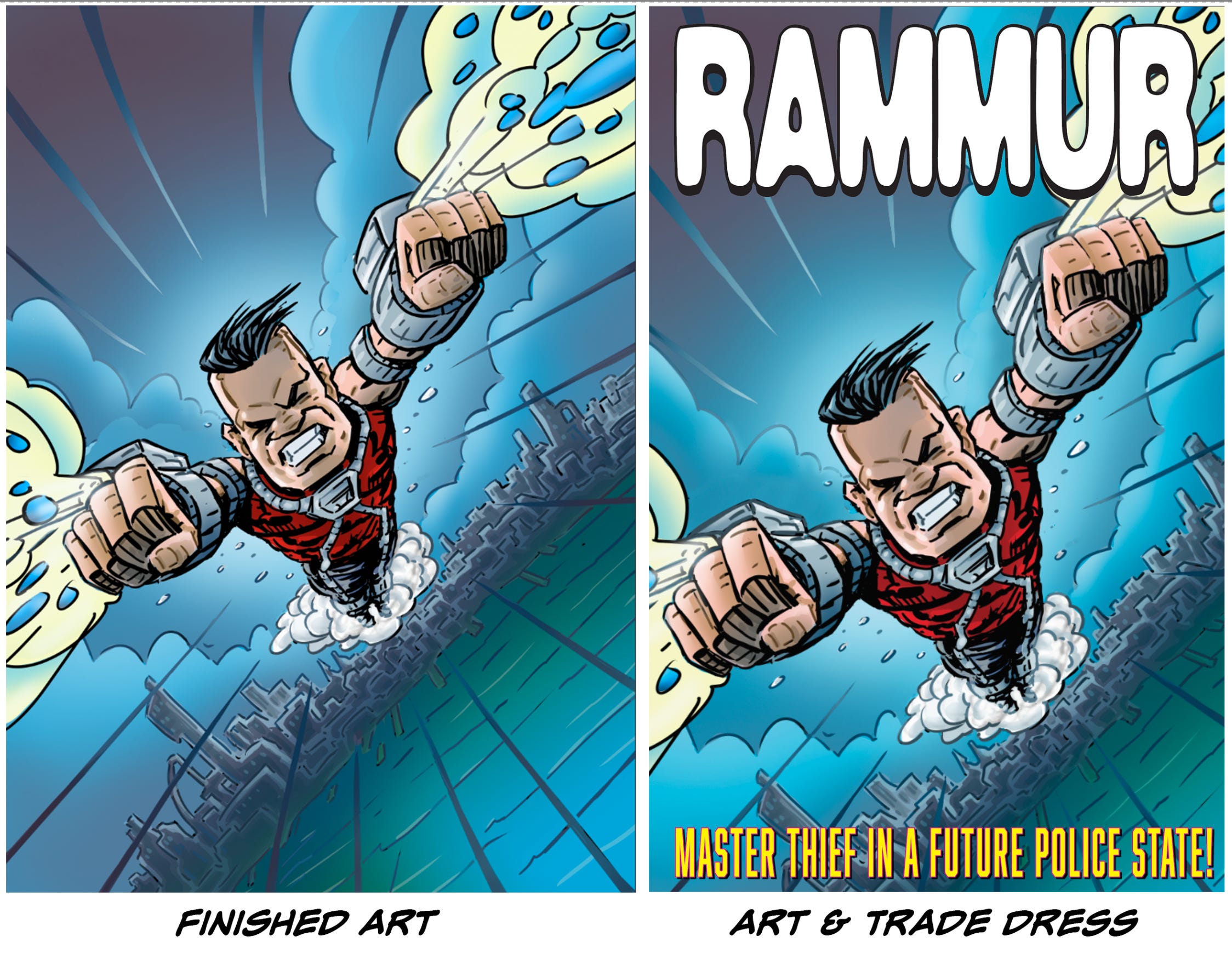
In the end, the piece was stronger for it. Collaboration has a way of sharpening the work—if you’re willing to listen.
You can read more about Rammur at:
https://markosia.com/rammur-the-corvus-trilogy-part-1/
Keep creating,