
Feathering and the Terminator
The space where light and shadow meet

In this third installment on creating line art, I’m focusing on the technique of feathering—a traditional comic inking technique that has become increasingly rare with the rise of digital coloring. Artists like Wally Wood, Hal Foster, Bernie Wrightson, and many others used feathered lines to create convincing illusions of light and shadow.
Today, the line between traditional and digital methods has blurred, but the concept remains the same. Feathering is still a powerful tool for shaping form, controlling depth, and guiding the reader’s eye—no matter how the art is made.
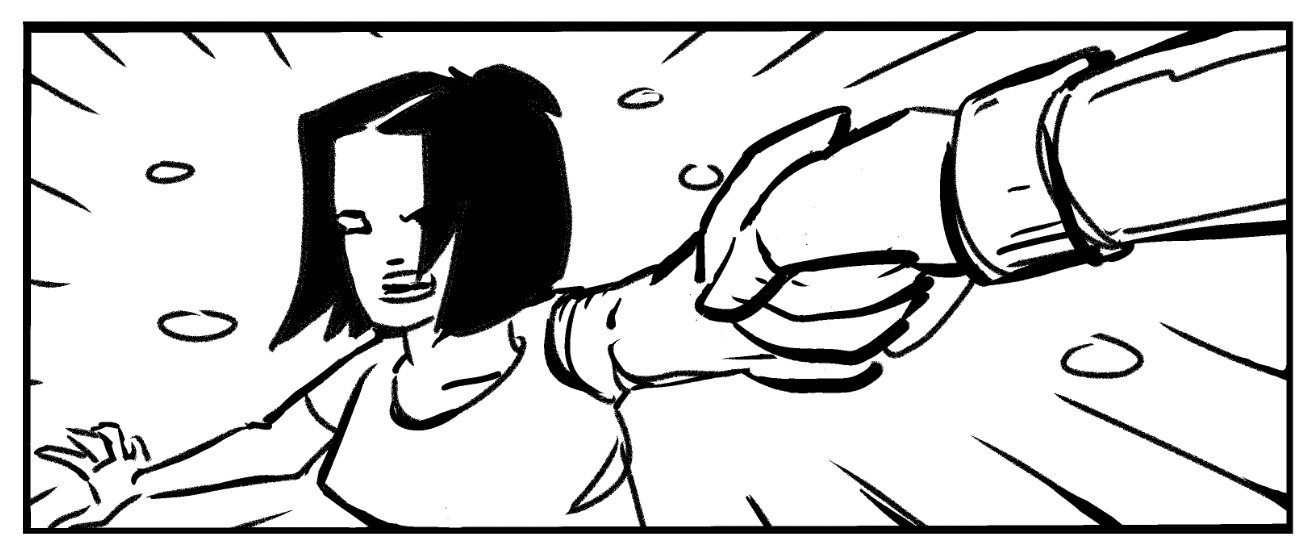
Here’s a panel from my Lady Dracula series from a few years back. Looking at the black-and-white art, you can see that I intentionally left plenty of open space for color.
Now let’s take a look at how I approach adding shadow and light—using either color or feathering—to shape the mood and give the image depth.
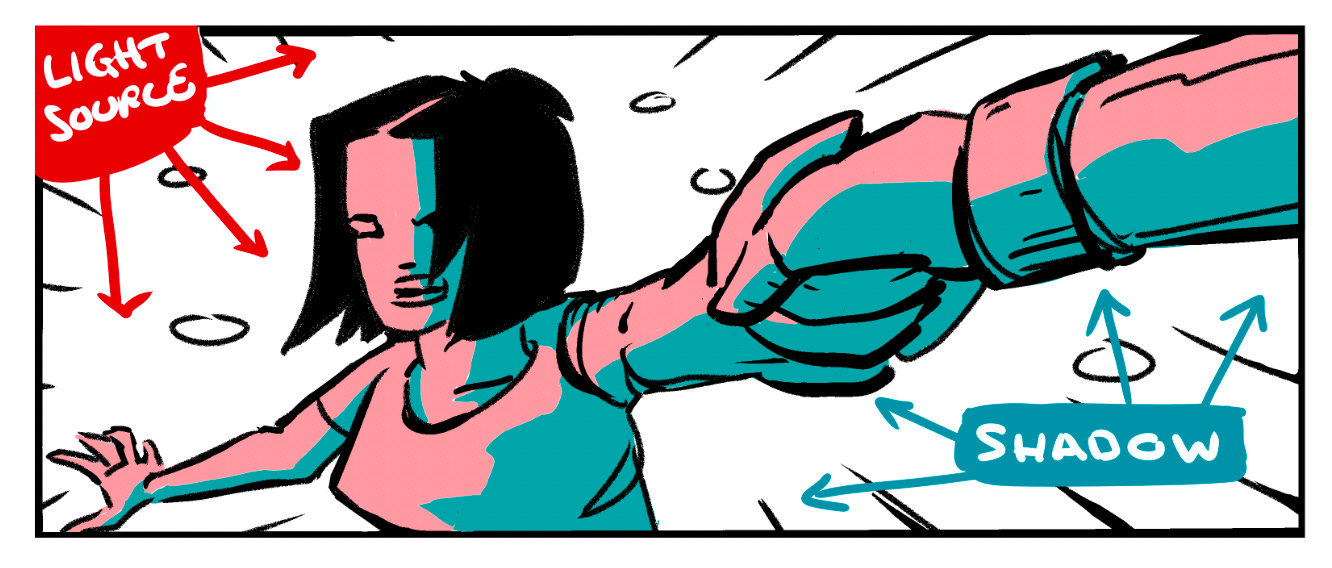
Here, I’ve visualized the light source and shadows using color, allowing the lighting to define form and depth without relying on additional line work.
Enter the Terminator
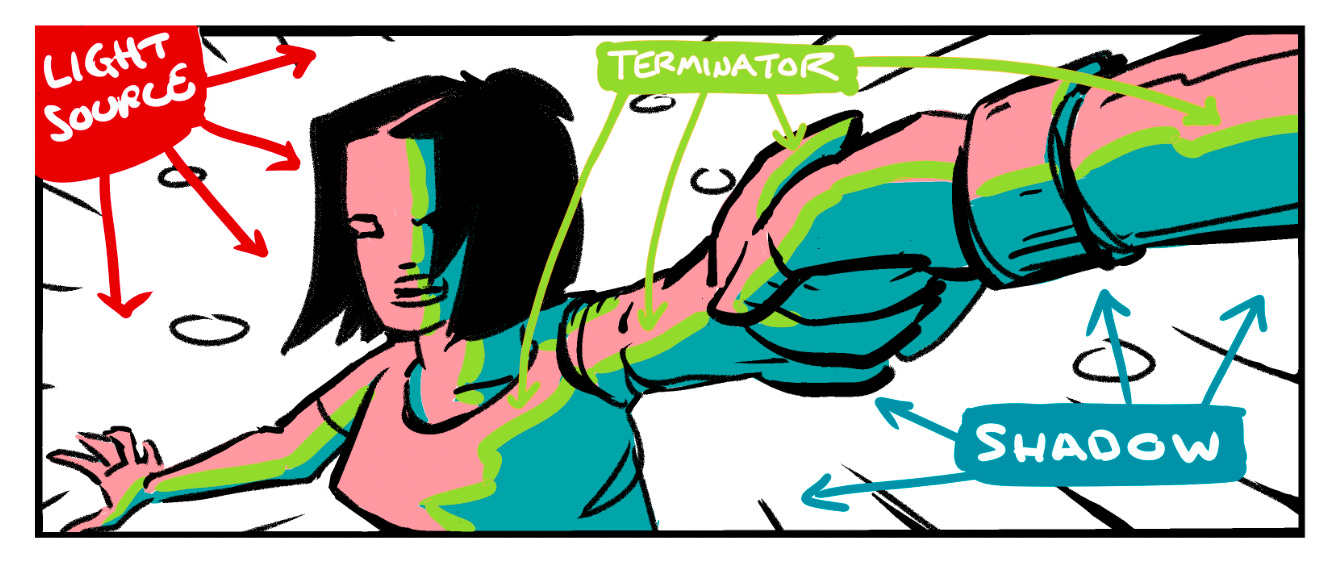
What coloring and inking share is something known as the terminator—the boundary where light and shadow meet. When working in color, those areas blend to create an in-between tone, as shown by the green in the example above.
In the black-and-white version, the terminator is created through line weight. As the lines thicken and cluster, they recede into shadow, defining form and depth without the use of color.
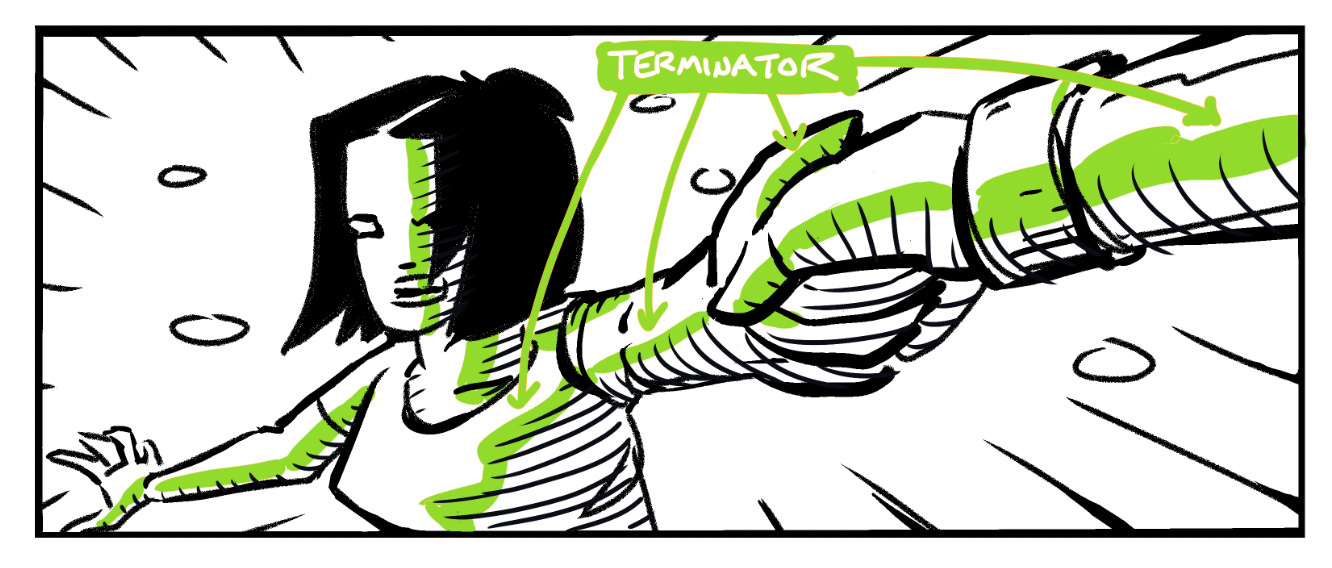
Feathering with my brush creates a terminator effect by varying the thickness of the brush strokes.
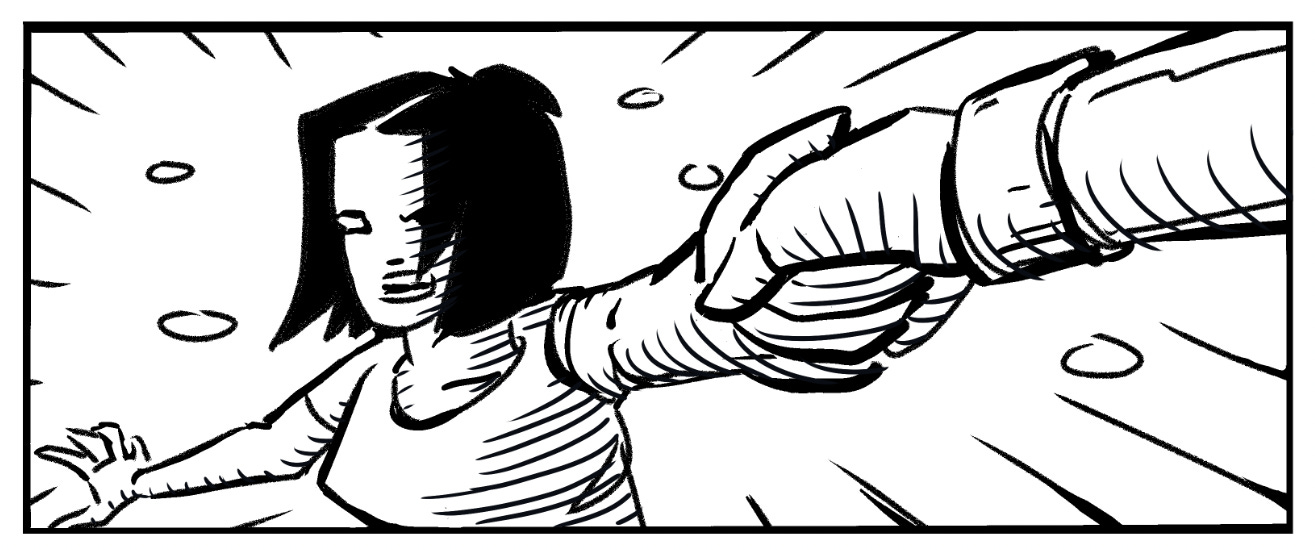
Here is the black-and-white line art with traditional feathering applied to build shadow and depth.
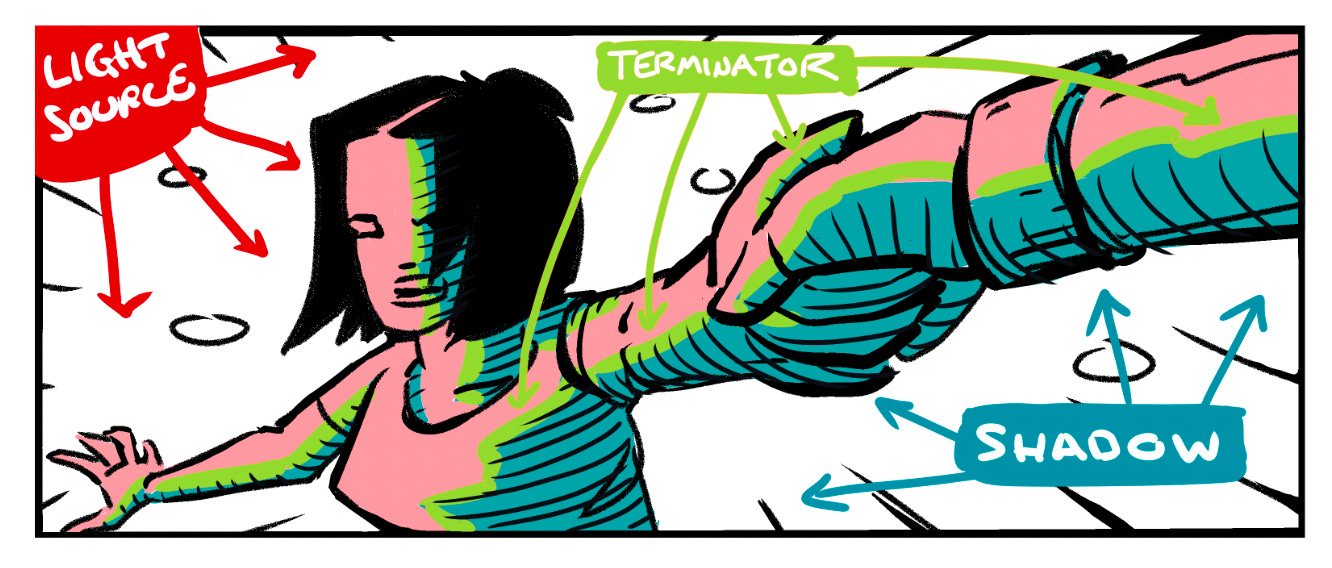
Combining both versions illustrates how shadow and light are created through the use of the terminator. Whether you’re working in color or black and white, understanding where light turns into shadow gives you control over form, depth, and mood—regardless of the tools you’re using.
Keep creating,

And now for something completely Different…

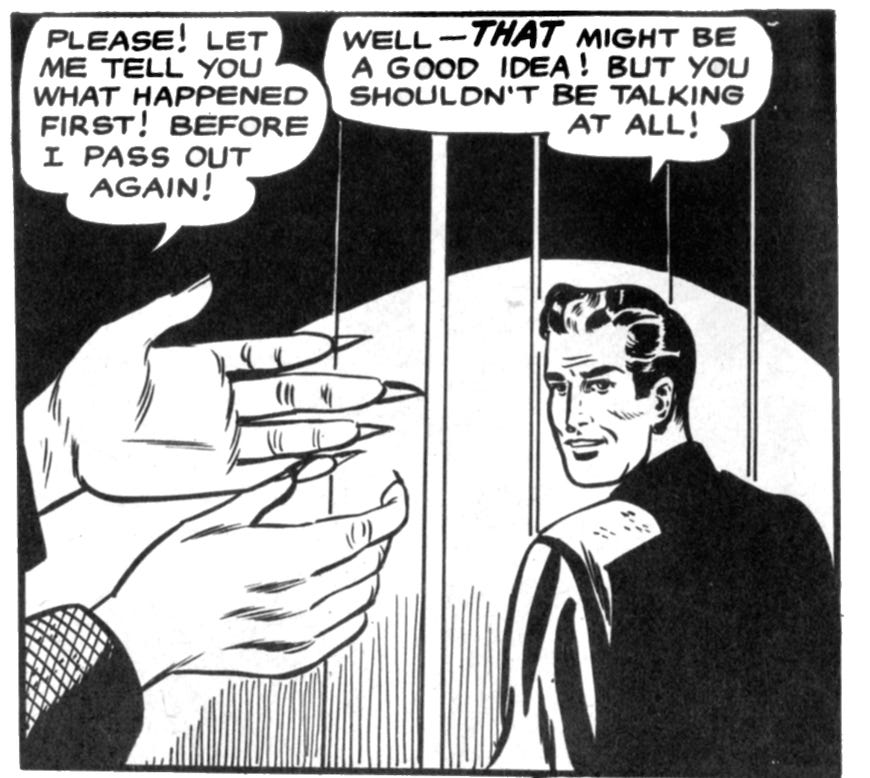

Wood was the master!